
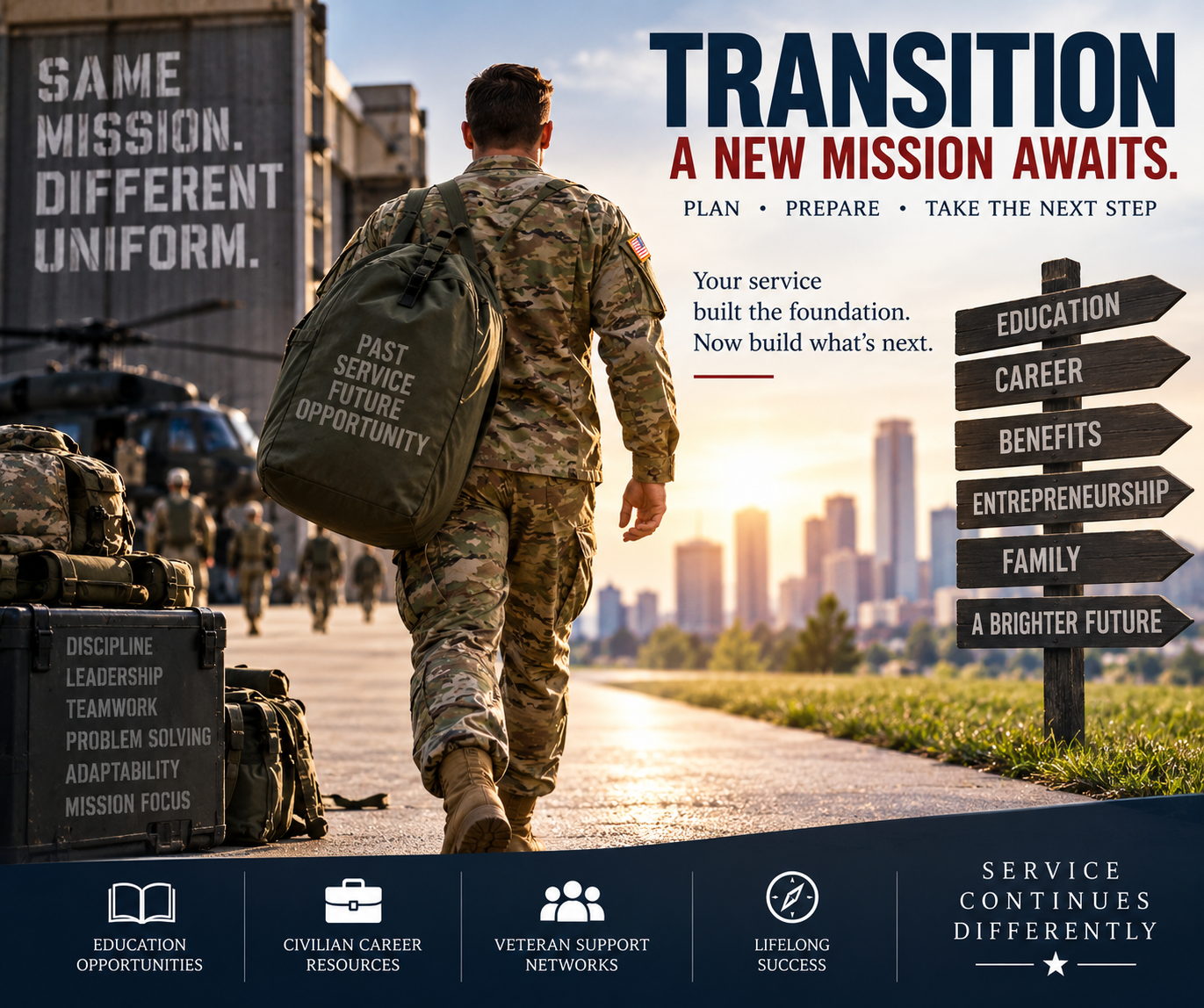
When Your Identity Was Built in Uniform: Navigating Who You Are After Service
Many veterans assume the hardest part of transition will be finding a job or navigating the VA. Those challenges are real. But for a lot of people, the deeper struggle is this: waking up and realizing the thing that shaped your language, your standards, your friendships, and your sense of worth is no longer your daily life.
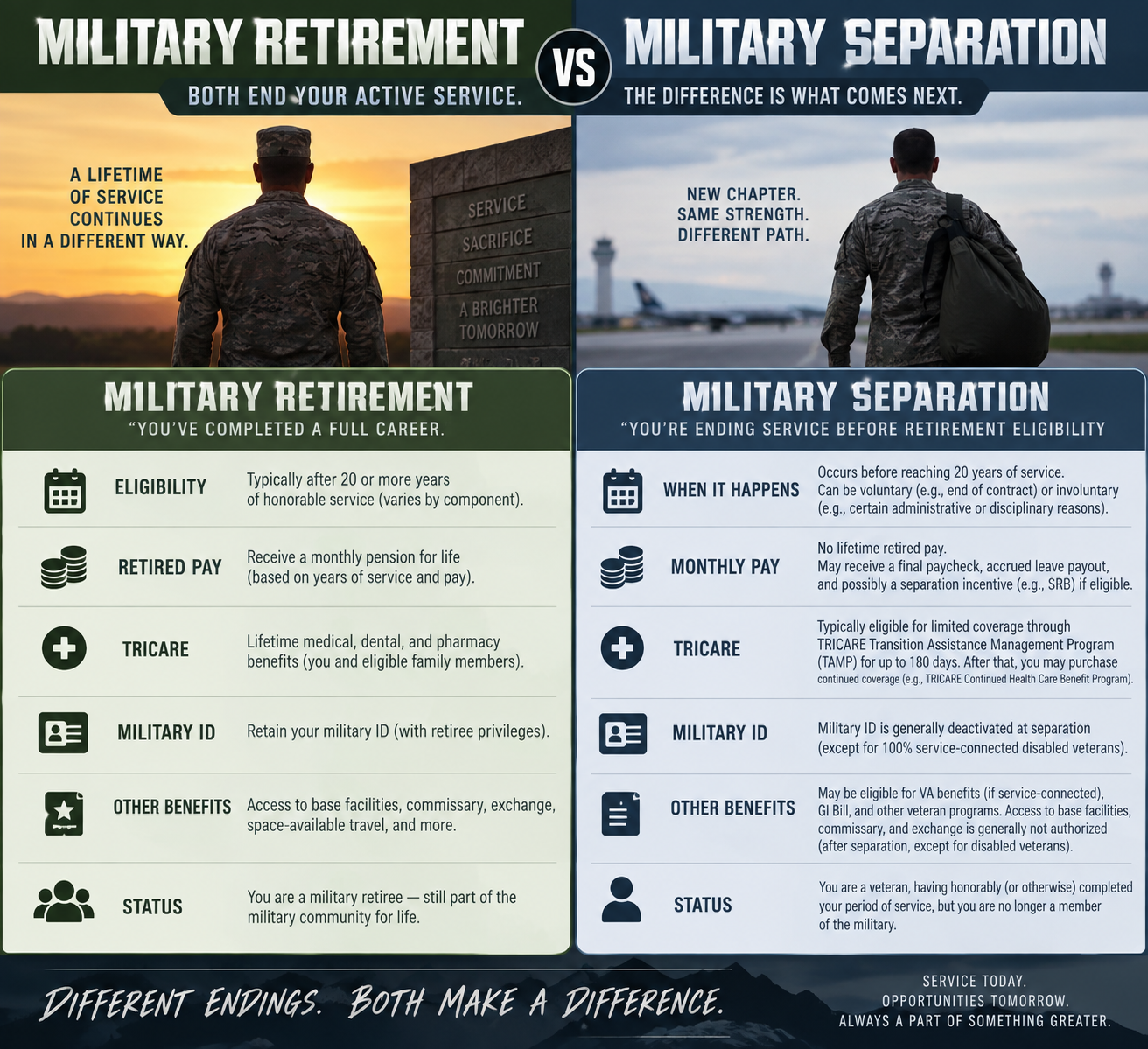
Military Retirement vs. Separation: What Every Transitioning Service Member Needs to Understand
Retirement versus separation isn't just a paperwork distinction — it's the difference between monthly retired pay and continued TRICARE eligibility on one hand, and a one-time payment or having to secure each individual benefit you've earned on the other.
If you're approaching an ETS date, a medical board, force shaping, or a command-directed transition, don't let the out-processing pace rush you into signing off on things you haven't fully read.
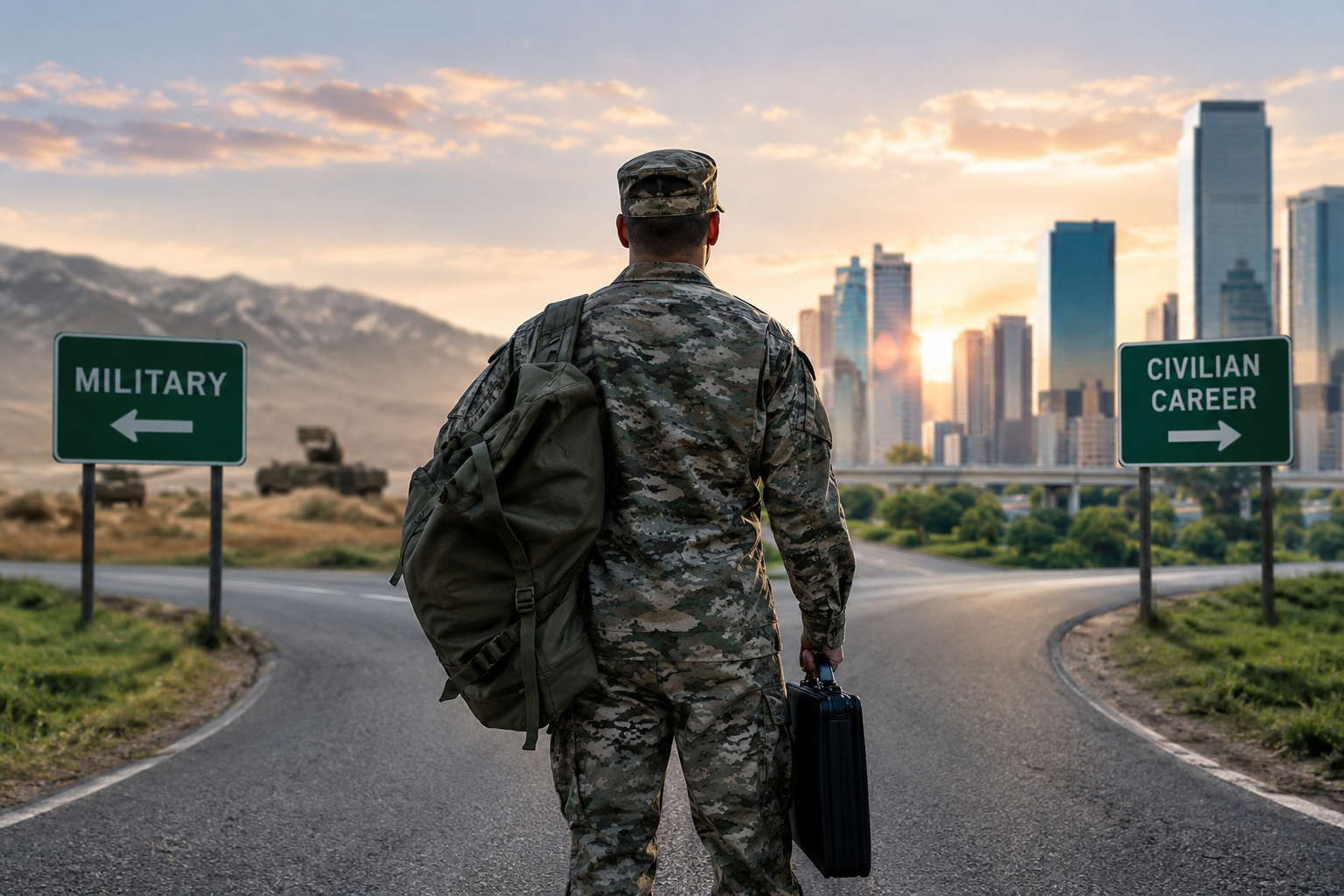
How to File a VA Disability Claim the Right Way
Filing a VA disability claim is one of those tasks that feels administrative right up until it isn't. It determines whether the injuries and conditions you carry are recognized, and that recognition is what unlocks the benefits you've earned.

A Veteran's Guide to Benefits That Actually Cuts Through the Noise
A significant number of veterans leave benefits on the table simply because the system feels like a maze. Some assume they don't qualify because they never deployed. Others delay filing because they don't want to appear needy or admit something is wrong.
Veteran Mental Health Resources That Help
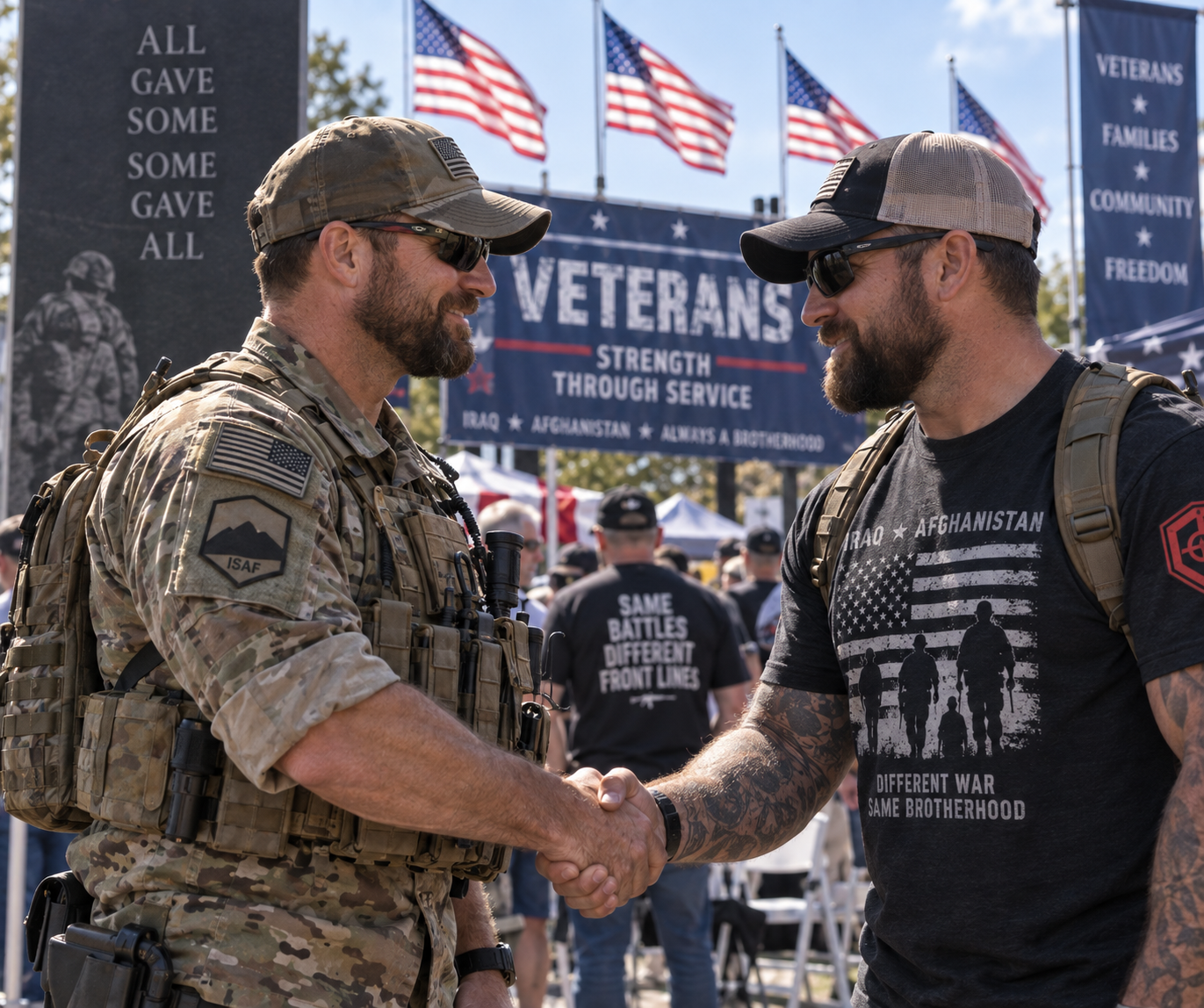
The hard part usually isn't admitting something feels off. The hard part is figuring out where to go without getting jerked around or buried in paperwork.
If you're dealing with anxiety, anger, isolation, sleep problems, or that constant feeling that civilian life is running on the wrong frequency, the right support can make a real difference.
Many veterans wait too long — thinking someone else has it worse, not wanting to look weak, or because a past experience with "the system" was a train wreck. Fair enough. But carrying everything alone isn't a strategy. It's just suffering with extra steps.

How to Prepare for Civilian Interviews
Military conversations are usually direct — rank, standards, and expectations are clear. Civilian interviews are looser, and people care as much about how you communicate what you've done as what you've actually done.
Most companies are really asking a few simple questions:
Can you do the job?
Can you work with the team?
Can you solve problems without causing new ones?
Veterans usually have strong answers to all three. But those answers won't land if they sound like a performance report instead of a conversation.
Best Jobs After the Infantry: Where Your Skills Win
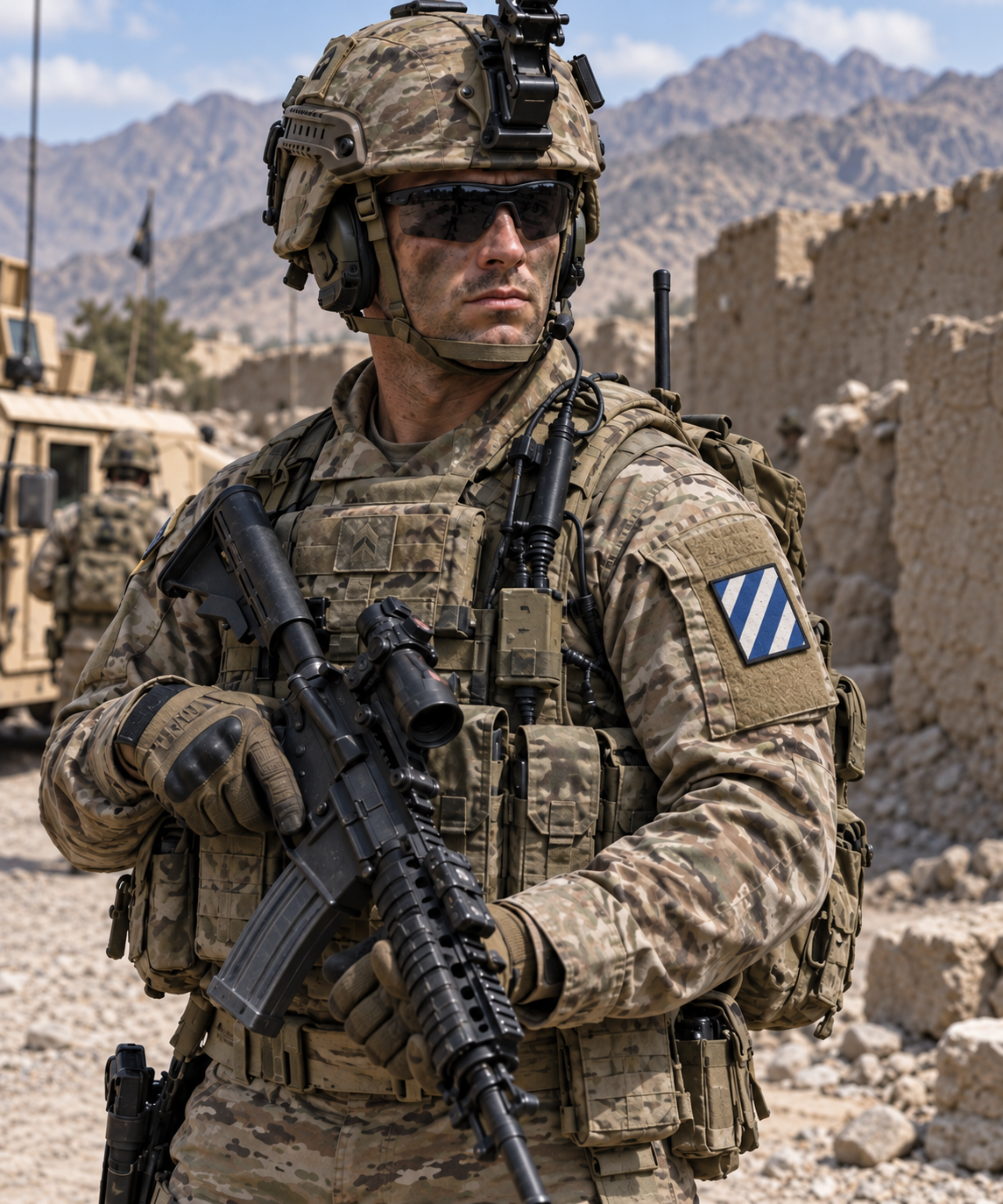
Civilian employers may not understand what a squad leader or infantryman actually does day to day. What they do understand is accountability, risk management, logistics, training, equipment readiness, and getting results when the plan falls apart.