
Veteran Mental Health Resources That Help
The hard part usually isn't admitting something feels off. The hard part is figuring out where to go without getting jerked around or buried in paperwork.
If you're dealing with anxiety, anger, isolation, sleep problems, or that constant feeling that civilian life is running on the wrong frequency, the right support can make a real difference.
Many veterans wait too long — thinking someone else has it worse, not wanting to look weak, or because a past experience with "the system" was a train wreck. Fair enough. But carrying everything alone isn't a strategy. It's just suffering with extra steps.
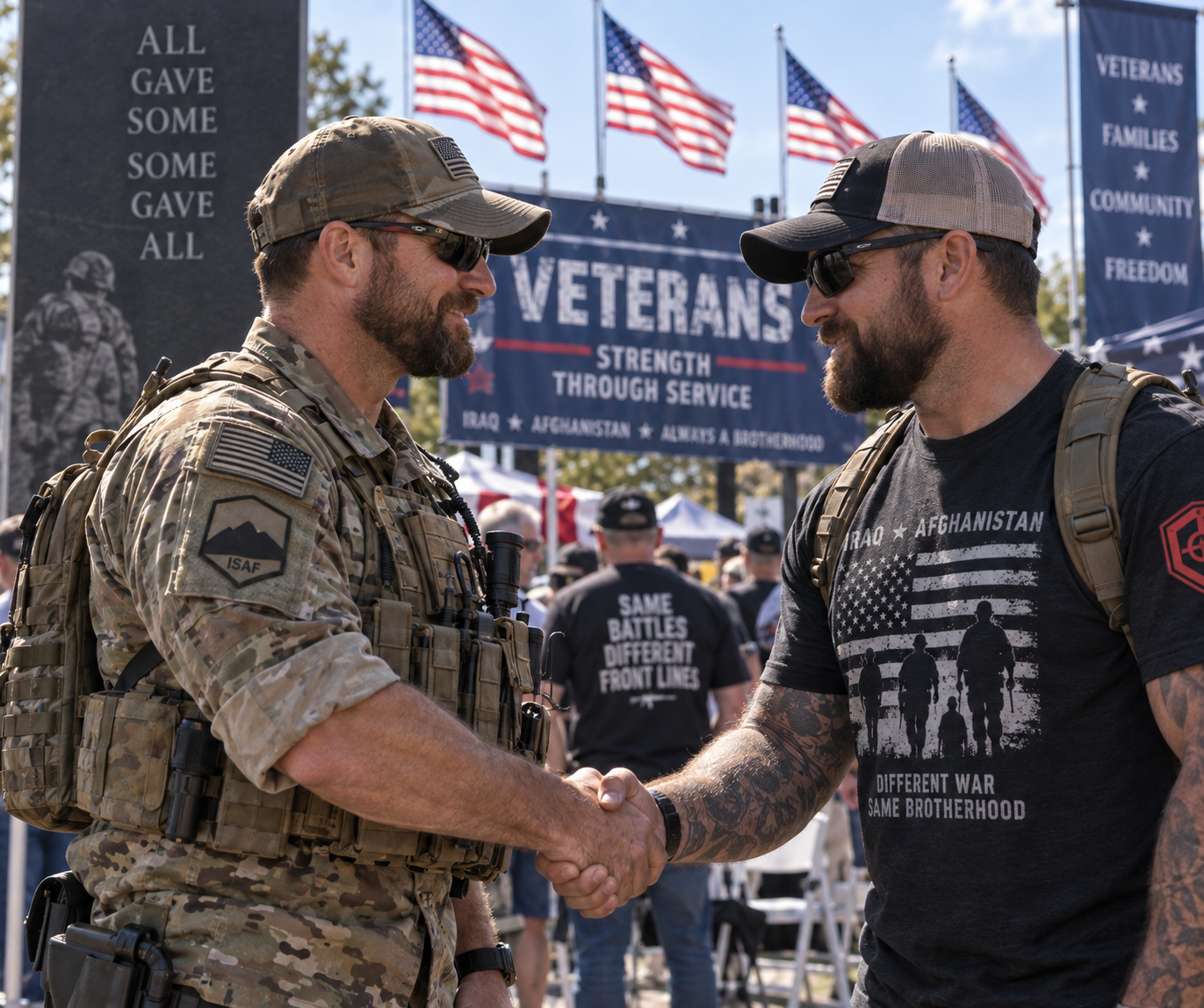
Harlan Advisory Group LLC. Veteran Support
Start With the Level of Support You Actually Need
If you are in immediate danger, thinking about hurting yourself, or feel like you might hurt somebody else, this is emergency territory.
Call 911 or contact the Veterans Crisis Line by dialing 988, then press 1. You can also text 838255 or chat online with the Veterans Crisis Line.
The Veterans Crisis Line is free, confidential, available 24/7, and you don't need to be enrolled in VA health care to use it.
If it's not an immediate crisis but things are sliding — sleep is wrecked, you're snapping at everybody, drinking more than you should, isolating yourself, or your family says you're not acting like yourself — it's time to get in front of it.
Early action gives you more options.
Veteran Mental Health Resources Worth Knowing
VA Mental Health Services
The U.S. Department of Veterans Affairs offers mental health services that can include individual and group therapy, treatment for PTSD and other trauma-related conditions, substance-use treatment, and medication management.
Availability and wait times can vary by location, but VA mental health care is one of the primary places veterans can start.
Vet Centers
VA Vet Centers are community-based counseling centers that provide counseling and other services to eligible veterans, service members, and families.
For many veterans, a Vet Center can feel less like a hospital or medical facility and more like a community environment.
You can also call the Vet Center Call Center at 1-877-927-8387. It is available 24/7 and staffed by people who understand military service and the challenges veterans can face after leaving it.
VA Community Care
Depending on eligibility and circumstances, veterans may be able to receive treatment from an approved community provider rather than directly through a VA medical facility.
Learn more about eligibility for VA Community Care.
If you're having trouble getting timely or reasonably accessible VA care, it's worth asking whether you qualify for community care rather than simply giving up on treatment.
Peer and Community Support
Professional treatment matters, but sometimes the first person a veteran is willing to talk to isn't a therapist. Peer support can provide another way to start the conversation.
Objective Zero — Connects veterans and members of the military community with peer supporters and mental health resources through its mobile platform.
Wounded Warrior Project Mental Wellness — Provides mental health programs, peer support, and resources for eligible veterans and their families. You can also contact the Wounded Warrior Project Resource Center at 1-888-997-2586.
Cohen Veterans Network — Provides mental health care for veterans, service members, and military families through clinics and telehealth services.
Give an Hour — Provides mental health and emotional wellness resources for military members, veterans, families, and other communities.
SAMHSA National Helpline — Call 1-800-662-HELP (4357) for free, confidential treatment referral and information related to mental health and substance-use disorders.
What to Expect When You Reach Out
Most first appointments aren't dramatic. They're usually an intake conversation.
You'll probably be asked what's happening, how long it's been happening, how it's affecting your daily life, and whether there is any immediate risk to you or someone else.
You don't need a perfect explanation.
"I'm sleeping four hours a night and I'm angry all the time."
That's enough to start a conversation.
Finding the right provider can also take more than one try. A bad fit with one counselor doesn't mean counseling doesn't work. If the relationship isn't working, say something and ask about another provider.
What Families Should Understand
Spouses, family members, and close friends often notice changes before the veteran does.
Skip the lecture and the internet psychology.
Start direct:
"I'm seeing you struggle. I'm not against you. Let's find somebody who knows how to work with veterans."
The VA provides mental health resources for veterans and their families, and Vet Centers can also provide counseling and support to eligible family members.
Sometimes helping someone make the first phone call or sitting beside them while they schedule an appointment is more useful than trying to find the perfect thing to say.
What Helps Between Appointments
The basics aren't exciting, but they matter.
Sleep discipline, daylight, regular physical activity, decent nutrition, and maintaining some kind of routine can help support mental health while you're working through bigger issues.
Alcohol can make anxiety, depression, anger, and sleep problems worse even when it feels like temporary relief.
Isolation can make everything heavier.
Stay connected to people who actually know you — not just people who know your highlight reel on social media.
Call somebody. Go to the gym. Meet another veteran for coffee. Get outside. Show up somewhere.
You don't have to solve everything today. But disappearing from everybody usually doesn't make tomorrow easier.
More Veteran Mental Health Resources
A longer version of this guide is available on the IronSight Syndicate blog, including additional information and a quick-reference collection of veteran mental health resources.
If you or someone else is in immediate danger, call 911. If you're experiencing a mental health crisis, call 988 and press 1 to reach the Veterans Crisis Line, text 838255, or connect with the Veterans Crisis Line online.
If your struggle is more about transition, identity, career direction, or finding your footing after military service, that's a different conversation — and one I have directly with veterans.